https://u.realgeeks.media/arnoldlalande/North_Texas_Starter_Home_Report.pdf
Explore Luxury Living in North Texas
Area Real Estate News & Market Trends
You’ll find our blog to be a wealth of information, covering everything from local market statistics and home values to community happenings. That’s because we care about the community and want to help you find your place in it. Please reach out if you have any questions at all. We’d love to talk with you!
June 19, 2026
There Has Been an Increase in the Number of Cities Where Starter Homes Are Now 1M+
Posted in
Market Updates
no comments yet
April 9, 2026
My Top Ten Dallas Coffee Houses
I will say I am a total coffee lover. Growing up in NYC you were never far from a solid coffee shop that pulls a decent espresso shot so of course when I relocated to Dallas this was number one on my list of places to find and this is my roster of shops in the area:
A Dallas heavyweight that keeps showing up in current “best” coverage. Strong specialty-coffee reputation, multiple locations, and one of the best coffee-and-brunch combinations in town.
2. Cultivar Coffee Roasting Co.
For serious coffee people, Cultivar is near the top of the heap. It gets praised for careful roasting and technically excellent drinks, especially if you care more about the cup than the Instagram wall.
A long-running Dallas institution with broad local love and a strong reputation for consistency. CultureMap highlighted its eight Metroplex locations and recognized Brew Lab as a nationally recognized training facility.
4. Cafe Duro
One of the strongest picks if you want great coffee and a polished food/pastry experience. Multiple recent guides praise its European/Italian café feel, and it is squarely in the 2026 Coffee Shop of the Year conversation.
If you like Italian espresso culture, this is a killer choice. D Magazine and CultureMap both praise the coffee, pastries, and house-roasted beans, which makes it one of the best coffee-plus-food options on the list.
Bishop Arts favorite. Strong daytime coffee program, good breakfast-taco pairing, and a fun all-day café-bar personality that keeps it relevant beyond just the morning caffeine run.
A consensus cool-kid pick that still backs it up in the cup. D Magazine praises its guest-roaster program and strong cortado, while CultureMap calls out both its charm and quality.
This is the one to hit when you want elite pastries with your coffee. Dallas Observer raves about the pastries, and D Magazine specifically calls out the horchata cold brew, churro cruffin, and brunch menu.
A top Oak Cliff pick, especially if vibe matters. Eater puts it among the city’s coolest shops and specifically mentions the coffee quality plus breakfast sandwiches on weekends.
10. Xaman Cafe
One of the most distinctive coffee experiences in Dallas. D Magazine highlights its small-batch Mexican coffee focus, standout specialty drinks, and brunch items like chilaquiles and molletes.
Just missed the cut but absolutely worth knowing:
Good Boy Café, La Souq Coffee, Hola Cafe, Otto’s Coffee, Magnolias Sous Le Pont. Several of these are on current top-shop and award-nominee lists, so there’s no shame in swapping one into your personal top 10.
Posted in
Best Food in North Texas
April 9, 2026
Spring 2026 Housing Market: A Buyers Guide to What's Happening Right Now
Before you start browsing listings or attending open houses, it helps to step back and look at the bigger picture. Where are interest rates headed? How much inventory is out there? What does affordability actually look like today? Getting a handle on these factors can help you make a decision that fits your finances and your future — not just the news cycle.
If you've been holding off on buying a home, you're not alone. A lot of people are asking whether the market has shifted enough to make a move. The honest answer? Some things have gotten better, but challenges remain. Let's break it down.
Where Do Mortgage Rates Stand Right Now?
Borrowing costs have come down somewhat from where they were this time last year, which is encouraging news for anyone who's been watching and waiting. That said, rates are still elevated enough to have a real impact on what you can comfortably afford each month.
What Drives Rate Movement?
Several forces push mortgage rates up or down:
- Treasury bond yields — the 10-year Treasury is one of the biggest influences on how lenders price mortgages
- The pace of inflation — when prices across the economy rise, rates tend to follow
- Federal Reserve decisions — the Fed's actions on short-term rates ripple through the broader lending market
- Buyer demand and investor behavior — market sentiment plays a role as well
Beyond the broader economy, your individual rate will depend on your credit profile, income, debt load, and the type of loan you choose. That's why I always encourage buyers to sit down with a reputable lender early — before you fall in love with a house — so you have a clear picture of your purchasing power.
What Does a Rate Drop Mean for Buyers?
When rates ease, it tends to bring more people off the sidelines and into the market. It can also motivate existing homeowners to look into refinancing. Even a half-point decrease can translate into meaningful savings over the life of a loan, so it's worth paying attention — but not worth trying to time perfectly.
The Affordability Challenge
Home prices aren't climbing at the frantic pace we saw a few years ago, but they haven't pulled back enough to make up for the income gap most buyers are dealing with. For many families — especially first-time buyers and those with moderate incomes — the math is still tight.
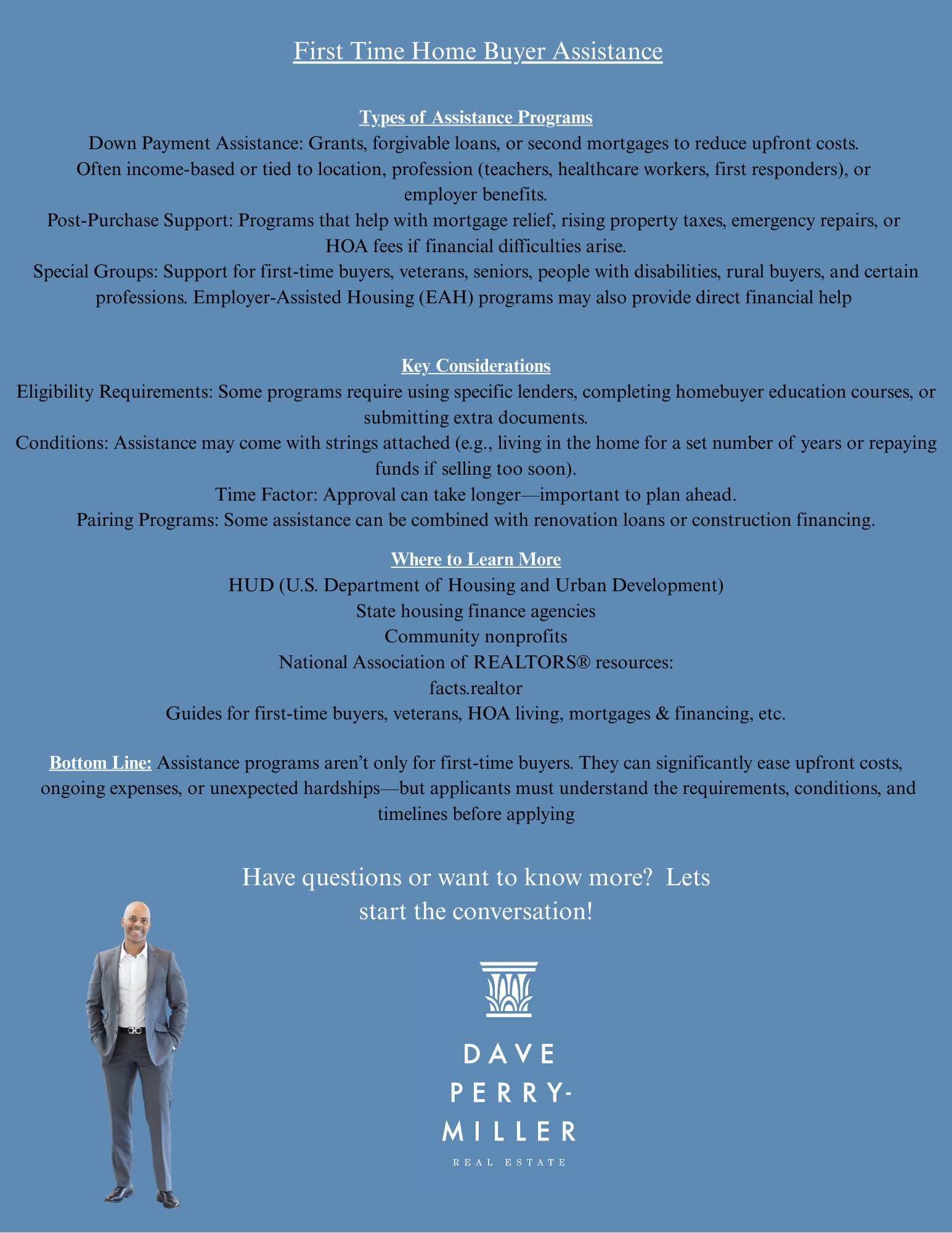
The good news is that there are lending programs specifically built to help. FHA loans, VA loans, USDA financing, and certain conventional products with lower down payment requirements can all make homeownership more reachable. A good lender will help you explore every option on the table.
Affordability Looks Different Depending on Where You Live
Not every market tells the same story. Some cities across the Midwest and parts of the South still offer much more favorable price-to-income ratios than major coastal metros. Here in the Dallas–Fort Worth area, we're in a solid position compared to places like Austin, Denver, or Southern California — but that doesn't mean it's easy. Pricing varies significantly from one neighborhood to the next, and understanding those local differences is critical when you're making the biggest financial decision of your life.
Don't Forget Property Taxes and Insurance
The sticker price of a home is just the starting point. Two of the most commonly underestimated costs are property taxes and homeowners insurance — and both have been climbing.
In Texas, property taxes are among the highest in the nation, and they can add hundreds of dollars to your monthly payment. On the insurance side, premiums have risen sharply in areas with storm and weather exposure. These aren't small details — they directly affect what you can afford, and they should be part of your financial planning from day one.
How Much Inventory Is Available?
Not enough. That's the short answer nationally, and it applies here in North Texas as well. The country is still dealing with a significant housing shortage, and new construction hasn't been able to close the gap. Permitting for new homes actually declined at the start of 2026, which suggests the supply of brand-new options may remain limited for a while.
On the resale side, many homeowners locked in mortgage rates in the 2–3% range during the pandemic and simply aren't willing to trade those for today's rates. This "rate lock-in effect" has kept a huge number of existing homes off the market and is one of the defining dynamics of the current landscape.
If you're open to it, homes that need some updating can be a smart play — particularly if you pair the purchase with a renovation loan that rolls improvement costs into your financing. It's a way to get into a strong neighborhood at a lower entry point.
Also, depending on your lifestyle, you may want to consider new construction. This can be a smart move for first time home buyers who don't mind living in the suburbs with a good school system and larger yards. There are many pro's to purchasing a new construction but with the right information, it's not a situation you want to walk into without the solid knowledge of a Realtor®. I've closed on a few new constructions in 2026 and the buying process was different on each one.
What's Happening with Sales Volume?
Transaction activity remains well below historical norms. Existing home sales have fallen to levels we haven't seen in roughly three decades, largely because both buyers and sellers are feeling squeezed — buyers by affordability and sellers by the reluctance to give up their low rates.
One interesting trend: more buyers are now looking outside their current city than they were before the pandemic. Dallas–Fort Worth continues to attract significant relocation interest from across the country, which keeps demand steady in our market even when national numbers are soft. If you're selling here, that's a tailwind. If you're buying, it means competition from out-of-state purchasers is something to be aware of.
So… Is Now the Right Time to Buy?
There's no single right answer. Rates are better than they were but still meaningful. Prices have stabilized but haven't dropped. Inventory is limited but not nonexistent.
Here's what I tell my clients: stop trying to time the market and start focusing on your own readiness. No one — not economists, not analysts, not your neighbor — can tell you exactly where rates or prices will be six months from now. What you can control is your financial position, your goals, and your timeline.
If owning a home is part of your plan, the cost of waiting for a "perfect" market is often greater than the cost of buying in an imperfect one. The right home at the right terms for your family is always a good decision.
I'm here when you're ready. Whether you're buying your first home, relocating to the Dallas–Fort Worth area, or making a move up, I'll help you navigate every step with confidence.
Arnold LaLande | Arnold LaLande Realty Dave Perry-Miller Real Estate, www.arnoldlalande.com

Posted in
Market Updates
March 31, 2026
Your North Texas Relocation Guide
10 Things Every Buyer Should Know Before Moving to the Dallas-Fort Worth Area
North Texas is one of the fastest-growing real estate markets in the country — and for good reason. With no state income tax, a thriving job market, top-ranked schools, and master-planned communities still being built, it's an exceptional place to put down roots. But the market moves quickly and varies dramatically by city, neighborhood, and HOA structure. Before you start touring homes, here's what you need to know.
01 School Districts Are Not Created Equal
North Texas is home to several nationally ranked districts — but ratings, boundaries, and feeder patterns vary significantly. Knowing which district serves a specific address (not just a city) is critical before making any offer. Checkout Texas School Rankings for updated info.
02 New Construction Is Everywhere — But So Are Waitlists
Communities in Celina, Anna, Prosper, and parts of McKinney are still adding new phases. Build times, incentive packages, and available lots change monthly. Acting early — and with representation — makes a major difference.
03 HOA Rules Vary Wildly by Neighborhood
Some of the most desirable areas in North Texas have no HOA at all — offering more freedom with lot use, parking, and exterior modifications. Others come with strict guidelines. Knowing which fits your lifestyle matters. Reference North Texas HOA Info for more information
04 Lot Size Is One of the Biggest Differentiators
From zero-lot-line patio homes to half-acre+ properties, North Texas offers a wide range. Lot depth, orientation, and setbacks affect everything from backyard space to resale value — and aren't always obvious from listings.
05 Property Taxes Replace State Income Tax
Texas has no state income tax, but property tax rates typically range from 1.8% to 2.8% depending on the county and MUD (Municipal Utility District). Understanding your effective tax rate upfront prevents sticker shock at closing. Dallas County Property Taxes Tarrant County Property Tax Collin County Property Taxes Denton County Property Taxes
06 The Market Moves Fast — Especially Under $500K
Well-priced homes in strong school districts routinely receive multiple offers within days. Being pre-approved and having a clear must-have list before you tour puts you in a position to move with confidence.
07 Location vs. Commute: DFW Is Larger Than It Looks
The metro covers over 9,000 square miles. A 20-mile commute can take 20 minutes or over an hour depending on where you land. Mapping your employer's location to potential neighborhoods early in the process is essential. Map of Dallas and Surrounding Areas
08 Builder Incentives Can Be Significant — If You Know to Ask
Many North Texas builders offer rate buydowns, closing cost credits, and design upgrades — but these incentives aren't always advertised. An experienced local agent who works with builders regularly knows what's on the table.
09 Master-Planned Communities Offer Lifestyle, Not Just a Home
Several communities in the area include resort-style amenities, trail systems, and on-site schools. Understanding what's included — and what the long-term development plan looks like — is part of making the right decision.
10 Local Knowledge Is Your Competitive Advantage
Every zip code in North Texas tells a different story. Flood zones, future road expansions, commercial developments, and resale trends aren't visible in an MLS listing — but they matter enormously to long-term value. Contact me for more insight.
Posted in
Relocation Info
Oct. 23, 2025
Map of Dallas and Suburbs
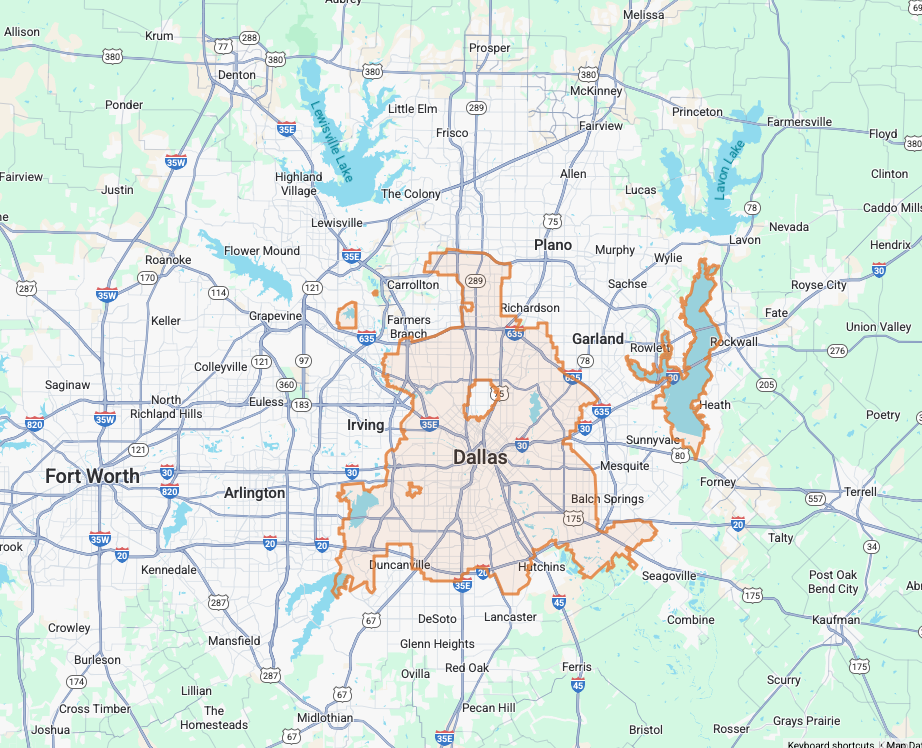
Core Area – Central Dallas
-
Downtown / Uptown / Deep Ellum / Oak Lawn – 0–3 miles
The heart of the city — dense, urban living, nightlife, dining, and luxury high-rises. Popular for professionals wanting a short commute.
Inner-Ring Suburbs (Within 10–15 Miles)
-
Irving – 10 miles west; home to Las Colinas, a major business district with Toyota Music Factory and luxury housing.
-
Farmers Branch & Carrollton – 12–15 miles northwest; family-friendly with established neighborhoods and quick highway access.
-
Richardson – 12 miles north; “Telecom Corridor” hub, great schools, mix of tech jobs and established residential areas.
-
Garland – 13 miles northeast; affordable homes, near Lake Ray Hubbard, large suburban population.
-
Mesquite – 12 miles east; more traditional neighborhoods and entry-level pricing.
-
Duncanville – 13 miles southwest; older established neighborhoods with larger lots and proximity to I-20.
Mid-Ring Suburbs (15–25 Miles)
-
Plano – 20 miles north; corporate HQs, master-planned communities, top-rated schools.
-
Frisco – 25 miles north; booming growth, high-income professionals, strong new construction market.
-
Allen & McKinney – 25–30 miles north; suburban lifestyle with historic downtowns and new developments.
-
Rockwall / Heath / Rowlett / Wylie – 20–25 miles east; centered around Lake Ray Hubbard, waterfront homes, and great family communities.
-
Grand Prairie – 20 miles southwest; mix of residential and entertainment (Lone Star Park, IKEA).
-
Cedar Hill / DeSoto / Lancaster – 15–20 miles south; growing suburban markets with natural scenery (Cedar Hill State Park).
Outer Metro Area (30–40+ Miles)
-
Denton – 40 miles northwest; vibrant college town feel (UNT & TWU), affordable options.
-
Fort Worth – 35 miles west; part of the larger DFW Metroplex, separate urban center with its own strong housing market.
-
Forney / Terrell / Fate / Royse City – 25–35 miles east; fast-growing exurbs offering more land and new builds.
Commuting Snapshot
-
10–15 miles (15–25 mins): Irving, Garland, Richardson, Farmers Branch.
-
20–25 miles (30–40 mins): Plano, Frisco, Grand Prairie, Rockwall.
-
30+ miles (45–60 mins): McKinney, Denton, Fort Worth, Forney.
Posted in
Relocation Info
Sept. 19, 2025
Collin County Market Update August
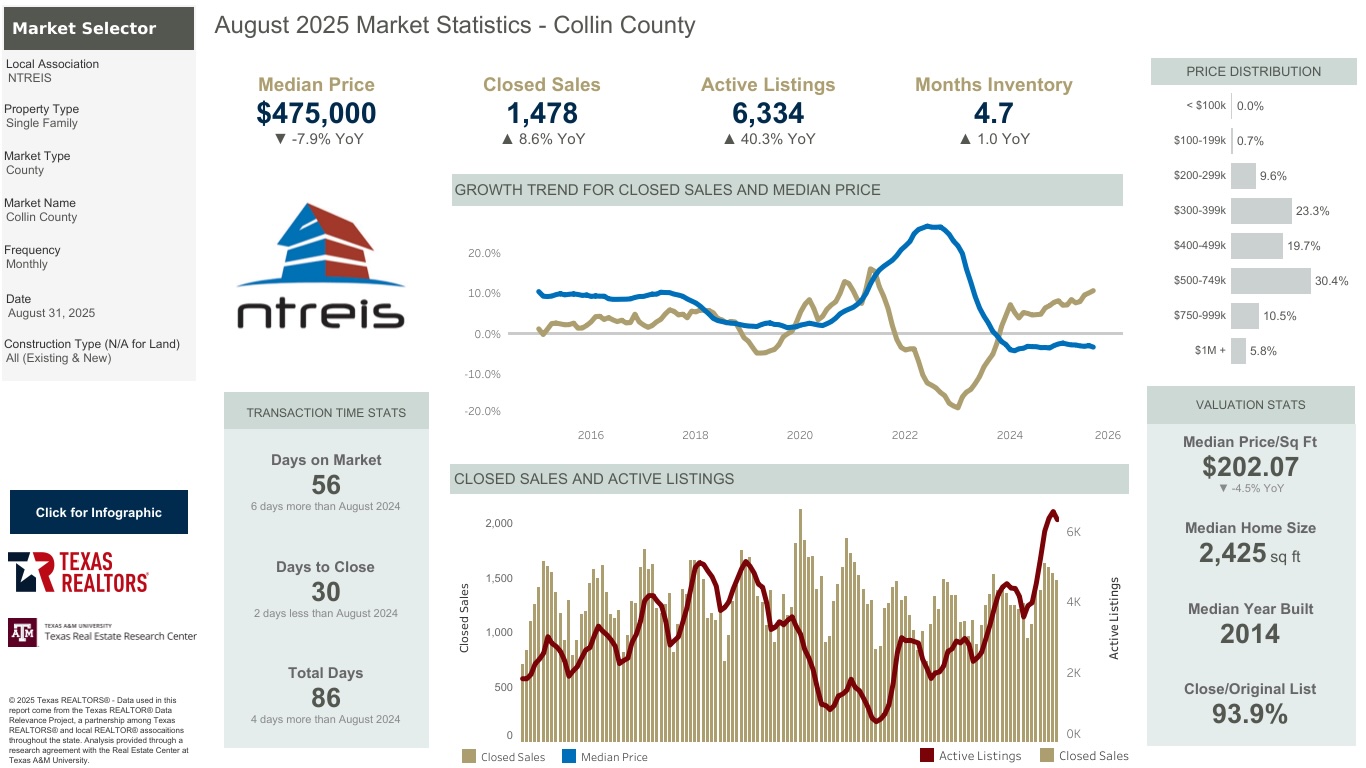
Collin County is shifting towards a buyers market. Inventory is high, prices are sliding and sellers need to be more flexible as buyers gain more negotiating power. Towns in Collin County include Carrollton, Celina, Fairview, Frisco, Garland, Lucas, McKinney, Melissa, Plano, Prosper, Richardson, Royse City and Wylie to name a few. Interested in finding out more or looking to make a move in the future? It all starts here. Give me a call and let's map out a strategic game plan towards homeownership for you!
Posted in
Market Updates
Sept. 18, 2025
Dallas County Market Viewer
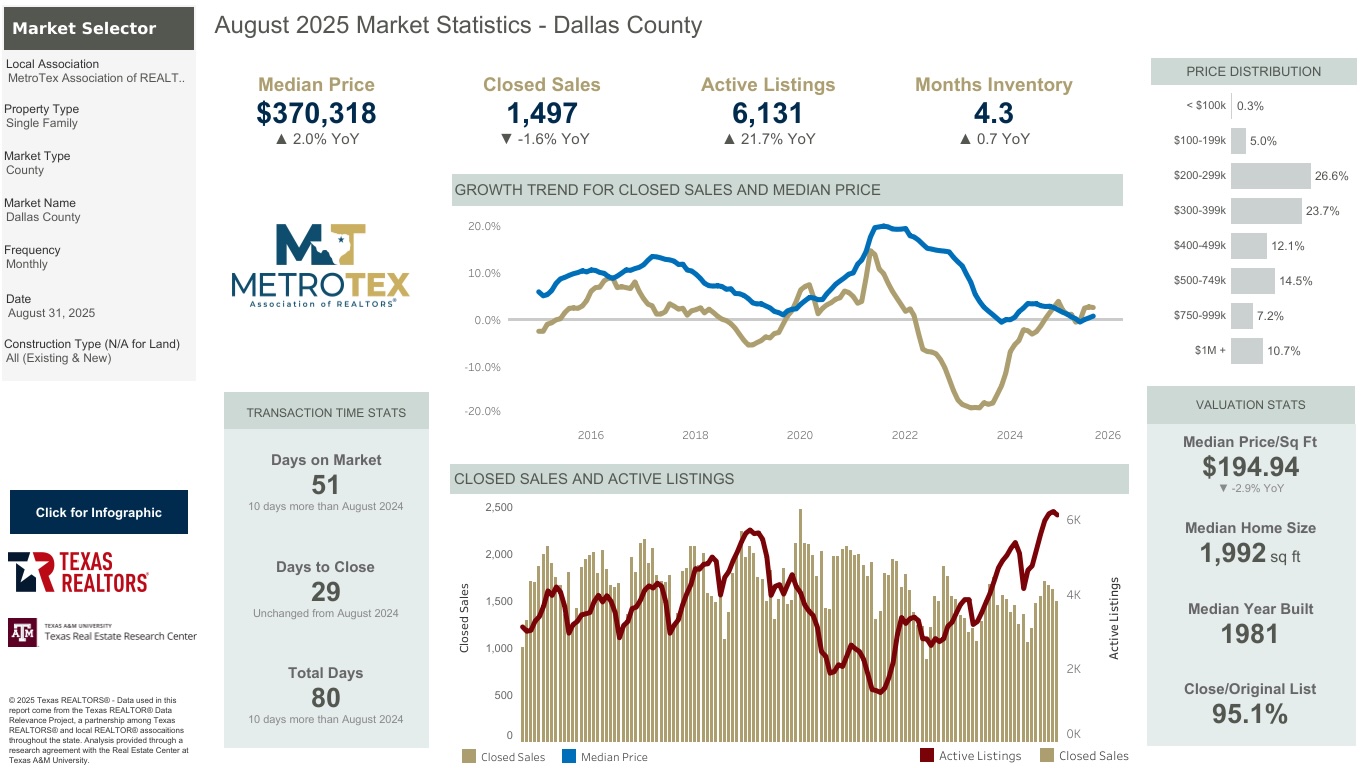
Dallas County is moving toward a cooler and more balanced market. Buyers now have more leverage with increased inventory and longer days on the market while sellers need to be realistic on pricing to stay competitive. Want more information to the North Texas housing market or looking for something specific? Let's connect and start the conversation!
Posted in
Market Updates